
Acne has a frustrating way of overstaying its welcome. Even after the breakouts finally calm down, many people are left with reminders they didn’t ask for: acne scars, uneven texture, and visibly open pores. These concerns can feel even harder to deal with than acne itself because they don’t simply fade with time or a …

Acne has a frustrating way of overstaying its welcome. Even after the breakouts finally calm down, many people are left with reminders they didn’t ask for: acne scars, uneven texture, and visibly open pores. These concerns can feel even harder to deal with than acne itself because they don’t simply fade with time or a new face wash.
If you’ve ever looked in the mirror and felt like your skin still looks “damaged” despite your best skincare efforts, you’re not alone. This is exactly why treatments like microneedling have gained massive popularity. Unlike creams that work only on the surface, microneedling targets the deeper layers of the skin where scars and pores actually form.
In this guide, we’ll break down why microneedling works, how it helps with acne scars and open pores, what results you can realistically expect, and why so many dermatologists and patients trust it.
Understanding Acne Scars and Open Pores
Before understanding how microneedling helps, it’s important to know what’s really happening beneath the skin.
What Causes Acne Scars?
Acne scars form when breakouts penetrate deep into the skin and damage the tissue beneath. As the skin heals, it produces collagen. If too little collagen is produced, depressed scars appear. If too much collagen forms, raised scars can develop.
Factors that increase the risk of scarring include:
- Severe or cystic acne
- Long-lasting inflammation
- Picking or squeezing pimples
- Delayed or improper treatment
Once collagen damage occurs, topical products alone usually aren’t enough to fix it.
Different Types of Acne Scars
Not all acne scars are the same, which is why treatments must be customized. Each type arises from distinct patterns of inflammation and collagen damage, and understanding them helps set realistic expectations for treatment outcomes.
Ice pick scars:
These are deep, narrow scars that look like tiny punctures in the skin. They usually form after severe cystic acne and extend deep into the dermis. Because of their depth, ice pick scars are often the most challenging to treat and may require combination treatments rather than microneedling alone.
Boxcar scars:
Boxcar scars are broad, depressed scars with sharp, well-defined edges. They typically appear on the cheeks and temples and result from widespread inflammation that destroys collagen. Microneedling works well for boxcar scars by stimulating collagen, gradually lifting and smoothing the depressed areas.
Rolling scars:
Rolling scars create a wavy or uneven skin texture due to damaged collagen bands pulling the skin downward. These scars are usually shallow but spread over a larger area, making the skin look uneven. Microneedling is especially effective here because it breaks down fibrous tissue and promotes even collagen rebuilding.
Post-inflammatory hyperpigmentation (PIH):
These are dark or discolored marks left behind after acne heals, rather than true scars. PIH is caused by excess melanin production triggered by inflammation. While microneedling doesn’t directly treat pigmentation, it can improve overall skin texture and enhance the effectiveness of pigmentation-focused treatments.
Microneedling is especially effective for rolling and boxcar scars, where collagen rebuilding plays a central role in restoring smoother, more even skin texture.
Why Do Open Pores Appear After Acne?
Open or enlarged pores often become more noticeable after acne clears because:
- The skin loses elasticity due to collagen damage.
- Excess oil stretches the pores.
- Ageing and sun damage weaken skin structure.
When the surrounding skin becomes lax, pores appear larger even though their actual size hasn’t changed.
Why These Issues Are Hard to Treat
Acne scars and open pores form below the surface, which is why serums, masks, and home remedies often deliver disappointing results. Real improvement requires collagen stimulation, not just surface exfoliation.
What Is Microneedling?
Microneedling may sound intimidating, but the concept is surprisingly simple.
The Science Behind Microneedling
Microneedling uses fine, medical-grade needles to create controlled micro-injuries in the skin. These tiny punctures trigger the body’s natural healing response, stimulating collagen and elastin production without causing actual damage.
Think of it as “waking up” the skin’s repair system.
How Microneedling Works on a Cellular Level
Once microneedling creates micro-channels:
- Fibroblasts (collagen-producing cells) are activated.
- New collagen forms gradually.
- The skin remodels itself over time.
This remodeling process is what smooths scars and tightens pores.
Professional Microneedling vs. At-Home Devices
At-home rollers use shallow needles and pose risks such as infection and uneven pressure. Professional microneedling:
- Uses adjustable needle depths
- Is performed in sterile conditions
- Delivers consistent, targeted results
For acne scars and open pores, professional treatment is far more effective.
Why Microneedling Is So Effective for Acne Scars
Collagen Remodeling for Depressed Scars
Microneedling doesn’t “fill” scars; it encourages your body to naturally produce collagen. By creating controlled micro-injuries, the skin is prompted to repair itself from within rather than masking the problem.
Over multiple sessions, indented scars gradually appear lifted as new collagen strengthens the skin structure. This slow remodeling process creates smoother skin without the stiffness or overfilled look sometimes seen with injectables.
Because the repair is biological, results tend to be more natural and long-lasting.
Improving Skin Texture and Smoothness
As collagen increases, the skin begins to regain its strength and elasticity. This leads to visible improvements not just in scars but in overall skin quality.
- Rough texture softens.
- Skin becomes smoother and more even.
- Makeup sits better on the skin.
This gradual improvement looks natural rather than artificial.
Microneedling vs. Other Acne Scar Treatments
Compared to lasers, peels, or fillers, microneedling:
- Has minimal downtime, making it easier to fit into daily life.
- Works on multiple scar types, especially rolling and boxcar scars.
- It is suitable for most skin tones, including deeper tones, with a lower risk of pigmentation.
- Produces gradual, long-lasting results as collagen continues to rebuild.
This balance of safety and effectiveness is why it’s so widely recommended.
How Microneedling Helps Reduce Open Pores
Strengthening Pore Walls With Collagen
As new collagen forms around the pores, the surrounding skin becomes firmer and more supportive. This added structure prevents pores from stretching as easily. Over time, pores appear tighter and less visible, especially in areas like the cheeks and nose where collagen loss is more noticeable.
Regulating Oil Production
Microneedling can help improve overall skin balance, which may indirectly reduce excessive oil production. When oil levels are better regulated, pores are less likely to stretch and clog. This makes microneedling particularly beneficial for oily and acne-prone skin types struggling with enlarged pores.
Realistic Expectations for Pore Reduction
Pores don’t disappear completely, but their appearance can be significantly minimized. The goal is refinement rather than elimination. With consistent sessions and supportive skincare, skin looks smoother, firmer, and more even in texture.
Who Is an Ideal Candidate for Microneedling?
Skin Types That Benefit Most
Microneedling works especially well for people with structural skin concerns rather than active inflammation.
- Acne-prone skin with scarring, where collagen repair is needed.
- Oily and combination skin, particularly with visible pores.
- Mature skin with texture issues, including fine lines and uneven tone.
It’s suitable for those seeking improvement without aggressive procedures.
Can Sensitive Skin Undergo Microneedling?
Yes, when the treatment is customized properly. Needle depth, speed, and session frequency can be adjusted to protect sensitive skin. A skilled professional ensures the skin barrier remains intact while still delivering visible results.
When Microneedling May Not Be Recommended
Microneedling may be postponed if the skin is already compromised or inflamed. It can be recommended on:
- Active acne or skin infections, which can worsen with needling.
- Severe eczema or rosacea, where irritation may increase.
- Certain medical conditions or medications can affect healing.
This is why a professional consultation is essential to determine the right timing and approach.
The Microneedling Treatment Process – What to Expect
Before the Procedure
Before microneedling begins, the skin is carefully evaluated by a trained professional. This assessment helps determine scar type, skin sensitivity, and the appropriate needle depth needed for effective treatment. It also ensures that microneedling is suitable for your skin at that time.
During the Session
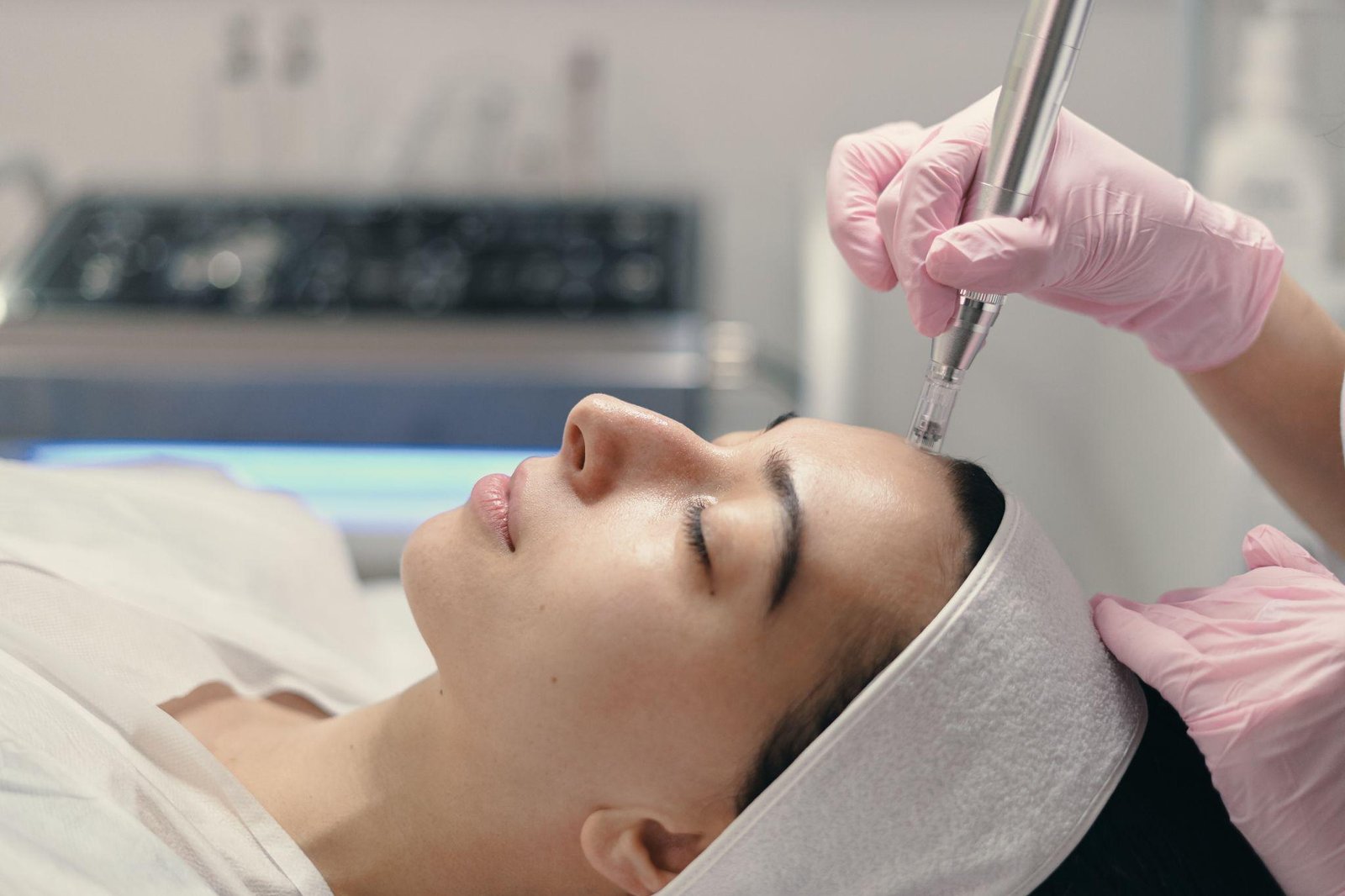
Once the skin is cleansed, a numbing cream is applied to minimize discomfort. This is left on for a short period to ensure the treatment is as comfortable as possible. When the microneedling begins, a controlled, medical-grade device is gently moved across the skin in specific patterns.
Immediately After Treatment
Right after the session, the skin usually appears red, similar to a mild to moderate sunburn. Mild swelling and a warm or tight sensation are also common and expected. These reactions indicate that the skin’s natural healing response has been activated.
Recovery, Downtime, and Aftercare
How Long Does Healing Take?
The recovery process after microneedling is relatively quick compared to more aggressive treatments. Redness typically subsides within 24 to 48 hours, although sensitive skin may take slightly longer. During this time, the skin may feel dry or tight as it begins to heal.
Post-Treatment Skincare Do’s and Don’ts
After microneedling, gentle skincare is essential. Mild, fragrance-free cleansers help keep the skin clean without causing irritation. Hydration is equally important, as well-hydrated skin heals more efficiently.
When Can You Resume Normal Activities?
Most people can return to work and daily routines within a day of treatment. Light activities are usually fine, although strenuous exercise, excessive sweating, and heat exposure may be postponed briefly to avoid irritation.
Because downtime is minimal, microneedling is often chosen by individuals who want visible improvement without disrupting their schedules.
How Many Sessions Are Needed?
Treatment Frequency and Timeline
Microneedling is not a one-time solution for acne scars or open pores. Most people require 3 to 6 sessions to notice a noticeable improvement. Sessions are typically spaced 4 to 6 weeks apart, allowing the skin adequate time to heal and rebuild collagen between treatments.
This spacing is essential, as collagen production is a gradual process. Rushing treatments too close together can limit results and increase irritation.
When Do Results Become Visible?
Many people notice an early glow or improved skin radiance within the first week after treatment. However, changes in texture, scar depth, and pore appearance become more noticeable over several months.
Each session builds upon the previous one, leading to progressive improvement rather than sudden change. Patience and consistency are key to achieving optimal results.
Maintenance Sessions
Once the initial series is completed, maintenance sessions help preserve results. Annual or bi-annual treatments support ongoing collagen production and help prevent texture issues from returning.
Maintenance is especially beneficial for individuals prone to acne or early signs of skin ageing.
Microneedling With Serums and Boosters
Why Combination Treatments Work Better
One of the biggest advantages of microneedling is that it creates micro-channels in the skin. These channels allow active ingredients to penetrate deeper than topical application alone, significantly enhancing their effectiveness.
When combined with targeted serums or boosters, microneedling can address multiple concerns at once, such as hydration, texture, and overall skin quality.
Popular Add-Ons
Commonly used add-ons include hyaluronic acid for deep hydration, growth factors to support skin repair, and PRP (platelet-rich plasma) to enhance regeneration. Polynucleotides are also gaining popularity for improving skin strength and elasticity.
These additions are selected based on individual skin needs and treatment goals, making each session more personalized and effective.
Customization Matters
No two skin types or acne scars are exactly the same. Customizing needle depth, treatment intensity, and booster selection ensures safer procedures and better outcomes.
A personalized treatment plan allows microneedling to address specific concerns—whether it’s deeper scars, open pores, or overall texture—while respecting the skin’s natural healing capacity.
Is Microneedling Safe?
Common Side Effects
- Temporary redness
- Mild peeling
Rare Risks
When done professionally, risks are minimal.
Microneedling Results – What to Expect
Acne Scar Improvement Over Time
Each microneedling session stimulates the formation of new collagen, gradually lifting and softening acne scars. While changes may be subtle at first, improvements become more noticeable after multiple treatments.
Pore Size Reduction
As collagen strengthens the skin around pores, the overall texture becomes firmer and more refined. This added support makes pores appear smaller and less prominent.
Before-and-After Expectations
Microneedling results look natural and balanced, without the “overdone” appearance sometimes associated with more aggressive treatments. The goal is healthier, stronger skin rather than dramatic or artificial changes.
Microneedling vs. DIY Remedies
Why Home Remedies Fall Short
Home remedies and topical products can improve hydration or brightness, but do not penetrate deeply enough to stimulate collagen where scars actually form. As a result, improvements are usually temporary and limited to the skin’s surface.
Risks of At-Home Rollers
At-home microneedling rollers carry a higher risk of infection, skin irritation, and uneven results due to improper needle depth and lack of sterilization. Repeated misuse can even worsen scarring or cause pigmentation issues.
FAQs
Does microneedling hurt?
Mild discomfort, usually manageable with numbing. Most people describe the sensation as light pressure or scratching rather than pain.
Can microneedling cause breakouts?
Temporary purging can occur, but usually settles quickly. This occurs due to congestion beneath the skin and typically improves within a few days.
Is it safe for darker skin tones?
Yes, when performed correctly. Unlike some lasers, microneedling carries a lower risk of pigmentation issues for deeper skin tones.
Can it completely remove acne scars?
It significantly improves them but doesn’t erase them entirely. Results are gradual and depend on scar type, depth, and the number of sessions completed.
How long do results last?
With maintenance, results can last years. Periodic sessions help support ongoing collagen production and prevent texture concerns from returning.
The Final Verdict!
Microneedling has gained popularity because it addresses acne scars and open pores at the root level by naturally stimulating collagen production. It doesn’t promise overnight miracles, but with consistency and proper care, it delivers smoother texture, refined pores, and healthier-looking skin.
For anyone struggling with lingering acne damage, microneedling offers a science-backed, realistic path to visible improvement.